Over the past few years, the app landscape has been evolving.
Over the past 12 months, it’s accelerated.
And right now, it’s shifting again.
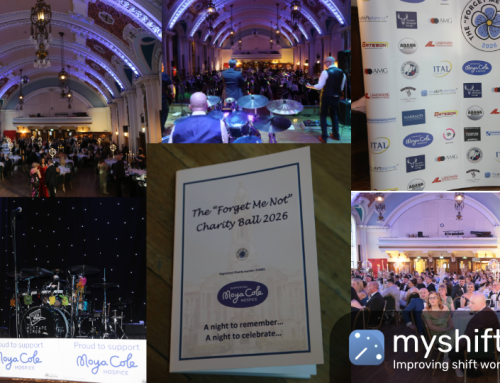
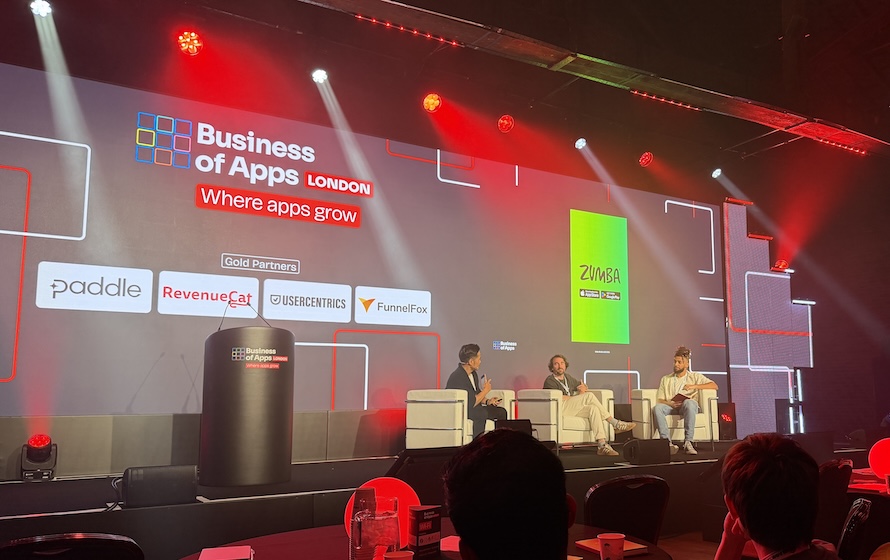
We recently attended The Business of Apps London, and one thing was clear throughout:
This isn’t just another cycle of trends.
It’s a structural change in how apps are discovered, understood, and used.
So rather than chase every new idea, we’ve taken a step back to ask a simpler question:
What do these changes actually mean for MyShiftPlanner – and more importantly, for the people who use it?
The Big Shift: From Searching to Asking
For a long time, app growth followed a familiar pattern:
Users searched, compared options, read reviews, and then decided.
That model is breaking down.
Now, more people are asking questions instead:
- “What’s the best app to manage shift work?”
- “How do I organise my rota?”
- “How can I plan life around changing shifts?”
And increasingly, those questions are being answered by AI.
That means:
- Users are making faster decisions
- The “consideration phase” is shrinking
- And apps need to be understood almost instantly
If your purpose isn’t clear within seconds, you’re unlikely to be chosen at all.
From Features to Intent
Another major shift is how people look for solutions.
It used to be about keywords:
“Shift planner”, “work calendar”, “rota app”
Now it’s about intent:
- Managing unpredictable schedules
- Staying organised
- Spending time with family
- Feeling in control
This might sound subtle, but it’s a fundamental change.
Because it means apps aren’t judged by what they do –
they’re judged by how well they solve a real problem.
Why Many Apps Fall Short
One of the most interesting themes from the event was how often apps fail – not because they lack functionality, but because they lack clarity.
Users download an app, try one feature … and stop.
Not because the app can’t do more.
But because they don’t know what to do next.
There’s a gap between:
- What the product offers
- And what the user experiences
Closing that gap is becoming one of the most important challenges in app design.
What This Means for MyShiftPlanner
For us, this wasn’t about chasing trends.
It was about pressure-testing what we already believe.
MyShiftPlanner has always been built around a simple idea:
Shift work doesn’t just affect your job – it affects your life.
And if that’s true, then the app needs to do more than just record shifts.
It needs to help people feel:
- More organised
- More in control
- More connected to the people around them
The changes we’re seeing in the app industry are pushing us to be clearer and more deliberate about that.
What We’re Putting Into Practice
Over the coming months, we’re focusing on a few key areas.
1. Clearer, Simpler Messaging
We’re stripping things back to a single, consistent message:
Take control of your shifts. Stay connected to what matters.
That means:
- Less emphasis on features
- More emphasis on outcomes
- And clearer communication across everything we do
2. Designing Around Real User Intent
Instead of asking “What can the app do?”, we’re asking:
“What is the user trying to achieve?”
That includes things like:
- Managing their schedule
- Sharing their rota with family
- Planning time outside of work
This is shaping how we think about:
- The app experience
- Our website
- And how we present MyShiftPlanner to new users
3. Making the Experience More Guided
We’re looking closely at how people use the app for the first time.
Where do they get value?
Where do they stop?
What’s unclear?
The goal is to make things more intuitive by:
- Helping users take the next step
- Making progress more visible
- Reducing friction early on
4. Improving How We Show Value
We’re also updating how MyShiftPlanner is presented – particularly in places like the app stores.
That means:
- Focusing more on real-life outcomes
- Using clearer, more direct language
- Making it easier to understand the benefit straight away
5. Learning and Adapting More Quickly
One of the clearest messages from the event was the importance of continuous improvement.
So we’re putting more structure around:
- Testing changes
- Learning from user behaviour
- Iterating regularly
Not in big, disruptive leaps—but in steady, meaningful steps.
Staying Grounded in What Matters
It’s easy to get caught up in new technology, especially with AI becoming such a dominant force.
And while it opens up exciting possibilities, it doesn’t change the fundamentals.
People still want tools that:
- Solve real problems
- Fit into their daily lives
- And make things feel easier, not more complicated
That’s what we’re focusing on.
Not doing more for the sake of it.
But doing the right things – more clearly and more consistently.
Looking Ahead
The app landscape will keep evolving.
User expectations will keep shifting.
Our job is to keep listening, keep learning, and keep refining what MyShiftPlanner offers.
Because at the end of the day, it’s not about keeping up with trends.
It’s about staying aligned with the people who rely on the app – and making sure it continues to support them in the moments that matter most.